




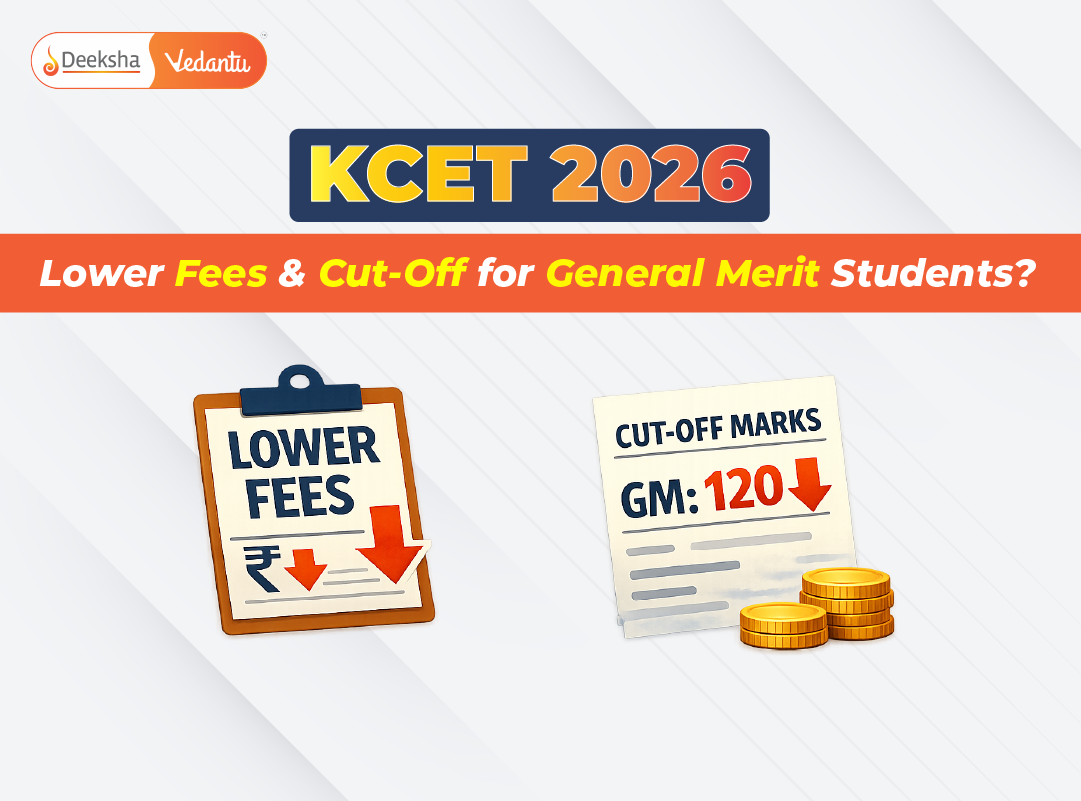
Important for General Merit students: If your family income is below ₹8 lakh or you studied in a rural area, KCET 2026 may offer you lower fees and easier cut-offs – benefits many students unknowingly skip.
Many KCET aspirants believe that being a general merit student automatically means higher fees and tougher cut-offs. However, this assumption is not entirely true. If you belong to the general merit category, you may still be eligible for powerful benefits under KCET 2026 that can significantly reduce both college fees and cut-off ranks.
This article explains two important yet commonly missed opportunities for general merit students:
- Supernumerary Quota (SNQ)
- Rural Area Reservation (GMR)
Understanding and claiming these correctly can make a huge difference in your admission outcome.
Are General Merit Students Missing Out on KCET Benefits?
Yes. Many general merit students miss out simply because they are unaware of the quotas they are eligible for. KCET allows economically weaker and rural-background students, even under general merit, to claim special reservations if they meet the criteria.
What Is SNQ Quota in KCET?
SNQ stands for Supernumerary Quota. This quota is designed to support poor and meritorious students, including those from the general merit category.
SNQ Eligibility Criteria for KCET 2026
To claim SNQ quota, the following conditions must be met:
- Annual family income from all sources must be below ₹8 lakh
- A valid income certificate must be obtained from the Tahsildar
- The RD number of the income certificate must be entered correctly during KCET application
If your income is below ₹8 lakh and you fail to claim SNQ, you may be losing a major financial benefit.
How SNQ Quota Reduces KCET College Fees
SNQ quota has a direct impact on tuition fees, especially in engineering colleges.
Fee Comparison (Based on Previous Year Data)
| College Type | General Merit Fee (Approx.) | SNQ Quota Fee (Approx.) |
| Government Engineering Colleges | ₹44,200 | Waived (Only university fees) |
| Aided Colleges / Courses | ₹44,200 | Waived (Only university fees) |
| Type-1 Unaided Colleges | ₹1,12,410 | Significantly lower |
Under SNQ quota:
- Tuition fee prescribed by the government is completely waived
- Students only pay university and other minimal charges
This quota is over and above the regular seat matrix, meaning it does not reduce general seats.
Important SNQ Rules to Remember
- SNQ quota is applicable only to engineering courses
- It is not applicable for architecture courses
- 5% of seats in each engineering college and course are reserved under SNQ
Rural Area Reservation (GMR) for General Merit Students
Apart from SNQ, general merit students may also be eligible for Rural Area Reservation, commonly referred to as GMR (General Merit – Rural).
Who Is Eligible for Rural Area Quota?
To claim rural area reservation, a candidate must:
- Have studied in rural areas of Karnataka from Class 1 to Class 10
- Have continuous and regular schooling (no breaks or transfers to urban schools)
Certificates Required for Rural Quota
- Rural Area Study Certificate signed by the Block Education Officer (BEO)
- Non-Creamy Layer Certificate (NCLC) issued by the Tahsildar
Both certificates are mandatory to claim this reservation.
How Rural Quota Affects KCET Cut-Offs
Rural reservation can dramatically change cut-off ranks for general merit students.
Example Cut-Off Comparison (Previous Year)
| Category | Approximate Cut-Off Rank |
| General Merit (GM) | 2,069 |
| General Merit – Rural (GMR) | 11,397 |
This large difference means that students under GMR can secure seats with comparatively higher ranks, making admissions significantly easier.
Should General Merit Students Claim These Quotas?
Absolutely, if you are eligible.
General merit students often face intense competition. SNQ and rural quotas are designed to level the playing field for students who meet economic or rural criteria.
Failing to claim these can result in:
- Higher tuition fees
- Tougher cut-offs
- Missed opportunities in top colleges
Key Takeaways for KCET 2026 Aspirants
- General merit students with income below ₹8 lakh should definitely claim SNQ quota
- Rural background students should verify eligibility for GMR reservation
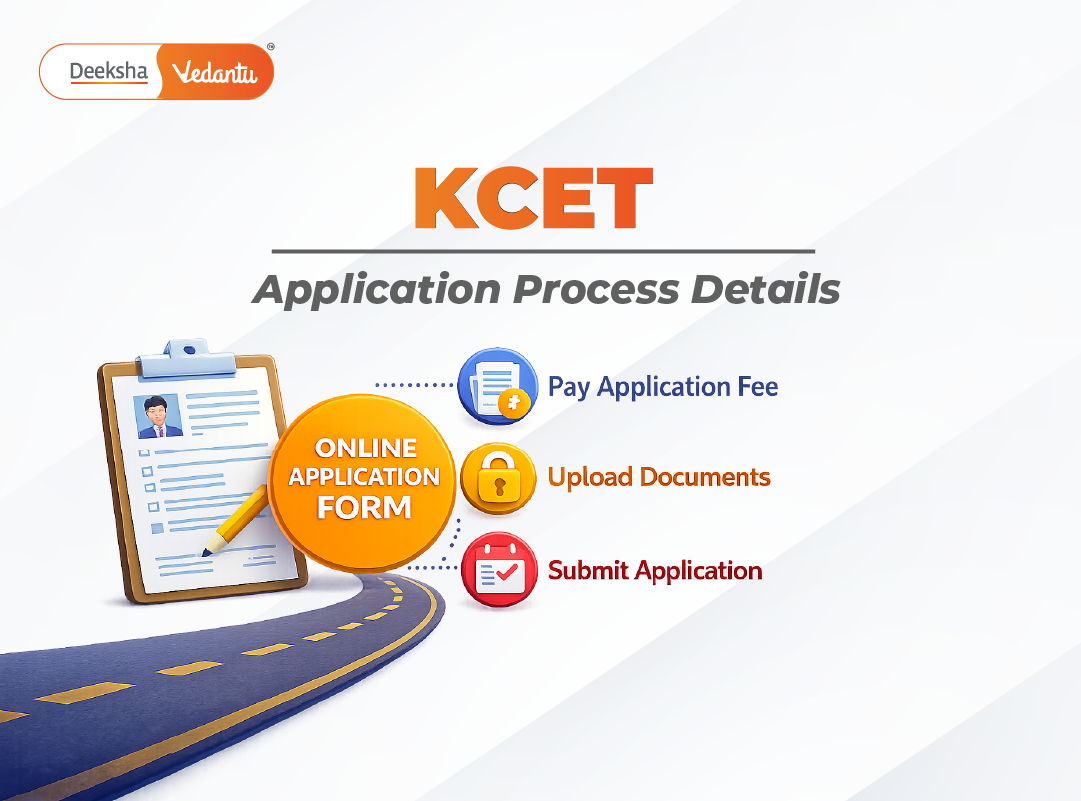
- Certificates and RD numbers must be ready before filling the KCET application
- These benefits apply only if claimed correctly during registration
Frequently Asked Questions
Q1. Can general merit students really get lower fees in KCET?
Yes. If your annual family income is below ₹8 lakh, you can claim SNQ quota, under which the government-prescribed tuition fee is fully waived for engineering courses.
Q2. Is SNQ quota available for all courses under KCET?
No. SNQ quota is applicable only for engineering courses. It is not available for architecture courses.
Q3. What happens if I forget to claim SNQ or rural quota during application?
If you do not claim these quotas while filling the KCET application, you cannot add them later during counselling. Missing this step can lead to higher fees and tougher cut-offs.
Q4. Can a student claim both SNQ and Rural quota?
Yes, if you meet the eligibility criteria for both, you can claim them during application. Final allotment depends on merit and availability.
Final Advice
KCET 2026 offers more flexibility to general merit students than most realise. If you fall under SNQ or rural eligibility, claiming these quotas can significantly reduce financial burden and improve admission chances.
Before submitting your KCET application, double-check your eligibility, prepare the required certificates, and ensure all details are entered accurately. Missing these options is one of the biggest mistakes general merit students make.
Stay informed, verify your eligibility, and make the most of every opportunity KCET provides.

Table of Contents





Get Social