
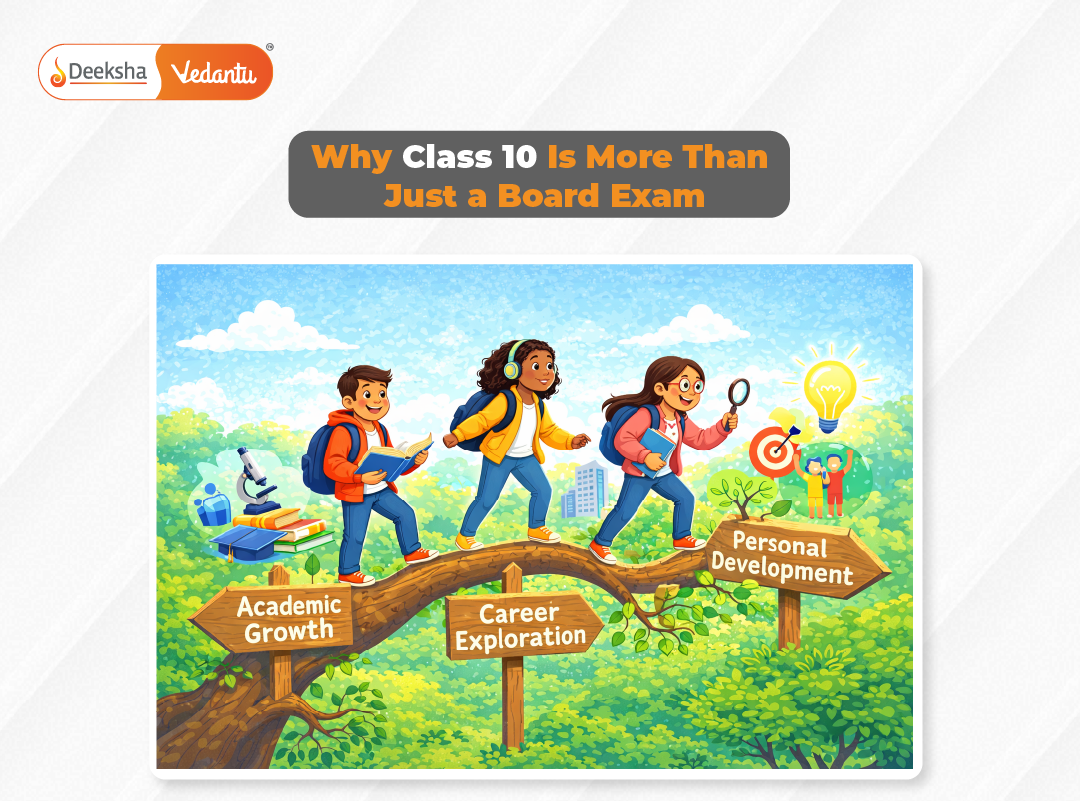
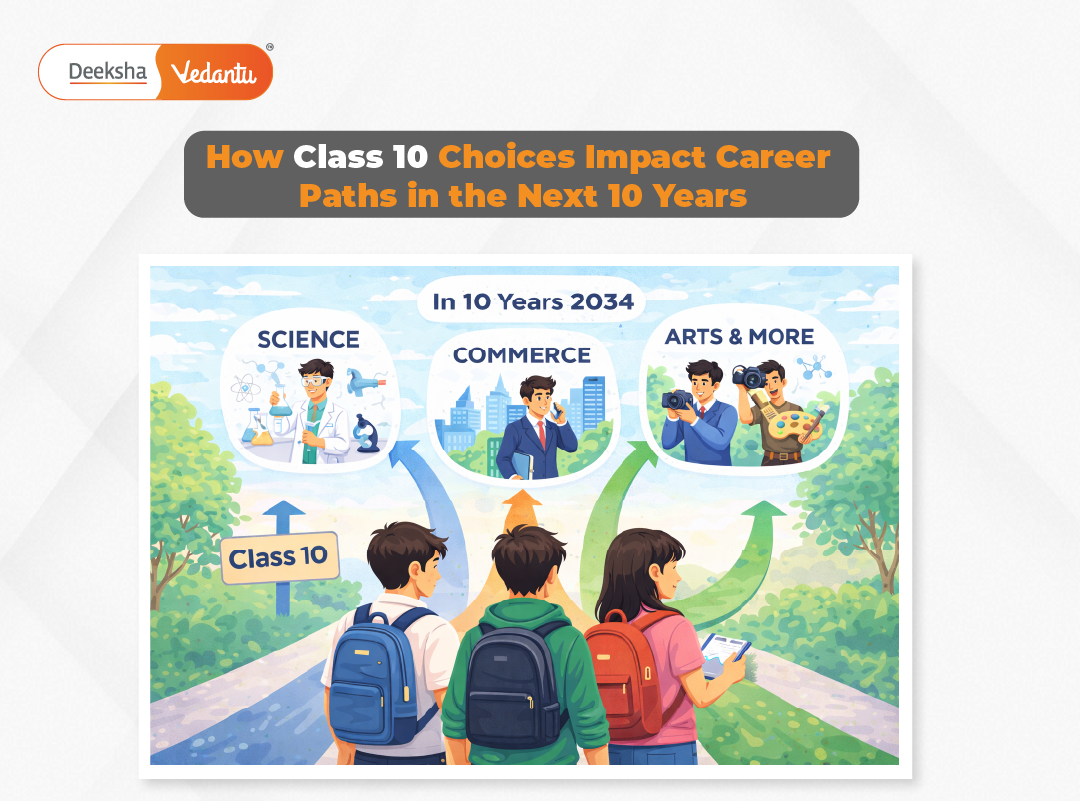
Completing Class 10 is a major milestone. It is also the stage where students make their first structured academic decision – selecting a stream for Class 11 and 12.
In 2026, career planning is no longer limited to traditional paths such as Engineering or Medicine. Students today have access to Science, Commerce, Humanities, interdisciplinary programs, skill-based certifications, global online learning platforms, and rapidly emerging technology-driven careers.
Choosing the right stream is not about selecting the most popular option. It is about aligning strengths, interests, aptitude, academic temperament, and long-term career goals.
Why Stream Selection After Class 10 Matters
The stream selected after Class 10 determines:
- Subject exposure in Classes 11 and 12
- Eligibility for specific entrance exams
- Foundation for undergraduate degrees
- Competitive exam pathways
- Skill development direction
- Career flexibility in the future
- Academic workload intensity
While stream selection influences future opportunities, it does not permanently lock a student into one career. However, an informed decision reduces stress, switching difficulty, and academic confusion later.
Stream selection should never be fear-based or comparison-driven. It should be thoughtful, research-oriented, and student-centered.
Science Stream After Class 10
Science remains one of the most chosen streams due to its broad career flexibility and eligibility for technical and medical fields.
Core Subjects in Science
- Physics
- Chemistry
- Mathematics (PCM)
- Biology (PCB)
- Computer Science (optional)
Students may choose:
- PCM (Physics, Chemistry, Mathematics)
- PCB (Physics, Chemistry, Biology)
- PCMB (All four subjects)
Each combination opens different academic pathways.
Career Options in Science
| Combination | Major Career Paths |
| PCM | Engineering, Architecture, Defence Services, Aviation, Data Science |
| PCB | Medicine, Dentistry, Pharmacy, Biotechnology, Physiotherapy |
| PCM + CS | Artificial Intelligence, Software Engineering, Robotics, Cybersecurity |
| PCMB | Flexible entry into Engineering, Medical, or Research fields |
Career Possibilities in Science
- Space Research & Aerospace Engineering
- Climate Science & Environmental Technology
- Biomedical Engineering
- Quantum Computing
- Renewable Energy Technology
- Neuroscience
Science offers maximum flexibility but demands strong conceptual discipline, especially in Mathematics and Physics.
Who Should Choose Science?
Science is suitable for students who:
- Enjoy analytical problem-solving
- Have strong interest in Mathematics or Biology
- Are comfortable with abstract concepts
- Can handle structured study routines
- Are prepared for consistent academic effort
Science provides long-term versatility but requires sustained commitment.
Commerce Stream After Class 10
Commerce is ideal for students interested in finance, economics, entrepreneurship, management, and corporate careers.
In 2026, Commerce is no longer limited to traditional accounting roles. It integrates finance, analytics, business technology, and global markets.
Core Subjects in Commerce
- Accountancy
- Business Studies
- Economics
- Mathematics or Applied Mathematics
- Entrepreneurship (in some schools)
Career Options in Commerce
| Field | Career Opportunities |
| Accounting | Chartered Accountant (CA), Cost Accountant (CMA) |
| Finance | Investment Banker, Financial Analyst, Risk Analyst |
| Business | Entrepreneur, Business Consultant |
| Economics | Economist, Policy Analyst |
| Law | Corporate Lawyer, Tax Lawyer |
Emerging Commerce-Based Careers
- FinTech Specialist
- Blockchain Analyst
- Digital Business Strategist
- E-commerce Consultant
- Supply Chain Analyst
- International Trade Specialist
Commerce combines analytical thinking with practical decision-making.
Who Should Choose Commerce?
Commerce suits students who:
- Enjoy working with numbers and financial systems
- Are interested in business case studies
- Prefer applied real-world learning
- Have logical reasoning abilities
- Are curious about markets and entrepreneurship
Commerce offers structured growth with strong income potential.
Humanities / Arts Stream After Class 10
Humanities is expanding rapidly in 2026 due to growth in policy, law, psychology, media, design, and social sciences.
The misconception that Humanities has limited scope is outdated.
Core Subjects in Humanities
- Political Science
- History
- Geography
- Psychology
- Sociology
- Economics
- English
Career Options in Humanities
| Field | Career Opportunities |
| Civil Services | IAS, IPS, Government Administration |
| Law | Advocate, Judiciary, Legal Advisor |
| Psychology | Clinical Psychologist, Counsellor |
| Media | Journalist, Content Strategist |
| Design | Fashion Designer, Interior Designer |
| Social Sciences | Policy Researcher, NGO Specialist |
Emerging Humanities Careers (2026)
- Public Policy Analyst
- International Relations Specialist
- Behavioural Scientist
- Human Resource Strategist
- Social Media Policy Advisor
Humanities develops critical thinking, communication, and societal understanding.
Who Should Choose Humanities?
This stream suits students who:
- Enjoy reading, writing, and analysis
- Are curious about society and governance
- Prefer conceptual discussions over numerical complexity
- Have strong communication skills
Humanities provides diverse, meaningful, and globally relevant opportunities.
Vocational and Skill-Based Options After Class 10
Not every student must follow the traditional academic stream path.
Vocational options include:
- Polytechnic Diplomas (Engineering-based skills)
- ITI Courses (Technical trades)
- Animation & Multimedia Courses
- Hotel Management
- Fashion Design
- Paramedical Courses
- Digital Media & Content Creation Certifications
Skill-based education focuses on hands-on training and faster employability.
For some students, vocational education may be more aligned with strengths than purely academic streams.
Emerging and Interdisciplinary Career Paths
In 2026, several career paths combine multiple disciplines.
Examples include:
- Data Science (Math + Coding + Business)
- Sports Analytics (Statistics + Sports Science)
- Environmental Law (Science + Law)
- Health Informatics (Biology + Technology)
- Creative Technology (Design + Coding)
These careers show that stream selection should consider adaptability and interdisciplinary potential.
Science vs Commerce vs Humanities Comparison Table
| Criteria | Science | Commerce | Humanities |
| Academic Intensity | High | Moderate | Moderate |
| Concept Depth | Strong | Applied | Analytical & Conceptual |
| Competitive Exams | JEE, NEET, NDA | CA, CS, CMA | UPSC, CLAT |
| Flexibility | Very High | High | Growing |
| Study Style | Numerical & Analytical | Numerical & Strategic | Reading & Analytical |
| Ideal For | Logical thinkers | Business-oriented minds | Communication-focused students |
Each stream has equal dignity, growth potential, and long-term scope.
Detailed Stream-to-Career Roadmap Table
| Stream | Class 11–12 Subjects | Entrance Exams | Undergraduate Degrees | Long-Term Careers |
| PCM | Physics, Chemistry, Maths | JEE, NDA | B.Tech, B.Sc, B.Arch | Engineer, Data Scientist, Defence Officer |
| PCB | Physics, Chemistry, Biology | NEET | MBBS, BDS, B.Pharm | Doctor, Pharmacist, Researcher |
| Commerce + Maths | Accounts, Economics, Maths | CA Foundation | B.Com, BBA | CA, Investment Banker, Financial Analyst |
| Commerce (No Maths) | Accounts, Business Studies | CUET | B.Com, BBA | Business Manager, Entrepreneur |
| Humanities + Political Science | Pol. Science, History | CLAT, UPSC | BA, LLB | Lawyer, Civil Servant |
| Humanities + Psychology | Psychology, Sociology | CUET | BA Psychology | Clinical Psychologist, HR Specialist |
| Vocational Diploma | Technical Trade | Skill Certifications | Diploma Courses | Technician, Industry Specialist |
This roadmap helps parents visualize the academic journey from Class 11 to long-term career outcomes.
How to Choose the Right Stream
Students should evaluate:
- Subject interest (not marks alone)
- Learning style preference
- Stress tolerance
- Long-term career goals
- Willingness for competitive preparation
- Strength in analytical vs theoretical subjects
- Curiosity for technical vs social fields
Parents should avoid forcing decisions based on social prestige or peer comparison.
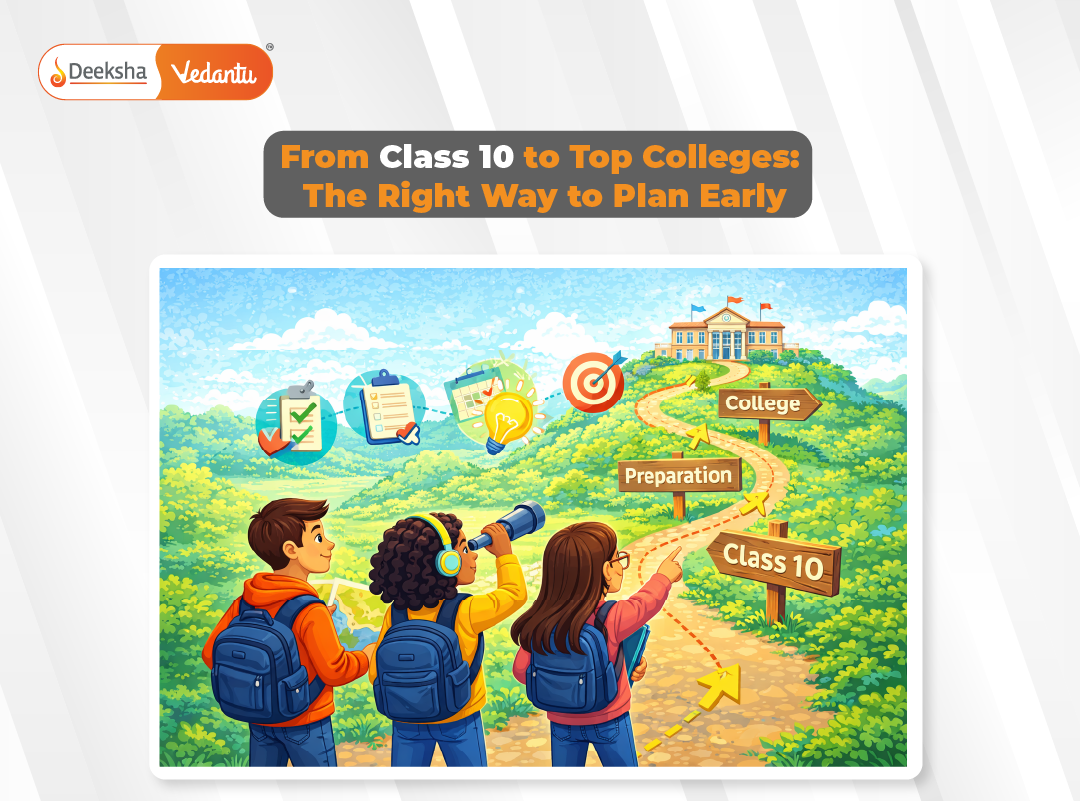
Career discussions should begin early but conclude thoughtfully.
Common Mistakes to Avoid After Class 10
- Choosing Science only because of high marks
- Avoiding Humanities due to outdated myths
- Selecting Commerce without understanding Accountancy
- Ignoring aptitude assessments
- Making rushed decisions immediately after results
- Following peer group without self-reflection
Structured career counselling and aptitude testing can significantly improve clarity.
FAQs
Q1. Is Science the best stream after Class 10?
Science offers wide flexibility, but it is not automatically the best choice for every student.
Q2. Can Commerce students enter technology fields?
Yes, especially in areas like FinTech, Business Analytics, and Digital Marketing, particularly if Mathematics is included.
Q3. Does Humanities have a strong career scope in 2026?
Yes. Civil services, law, psychology, media, policy research, and design offer strong opportunities.
Q4. Is changing the stream later possible?
In some cases, yes. However, switching may require additional preparation or bridge learning.
Q5. Should students choose passion or job security?
A balanced decision that combines interest, aptitude, and practical career opportunities is advisable.
Conclusion
Career options after Class 10 in 2026 are broader than ever before.
Science, Commerce, Humanities, vocational programs, and interdisciplinary fields all offer meaningful and respectable career paths.
The right stream is not the most prestigious one – it is the one aligned with aptitude, interest, academic temperament, and long-term goals.
Thoughtful decision-making at this stage builds confidence, clarity, direction, and stronger academic foundations for the future.


Get Social